
A considered, personalised approach to aesthetic treatments that honour your natural features and support long-term wellbeing — with no drama, no pressure, and no surprises.

If you are wondering about aesthetics — what it actually is, how these treatments work in practice, and whether any of it might be right for you — you are in exactly the right place. This page is written to help you feel informed and at ease, rather than pressured or overwhelmed.
The world of aesthetic medicine can feel difficult to navigate. There is a lot of noise: before-and-after images that bear little resemblance to reality, language that leans more on aspiration than honesty, and a general sense that you need to already know things before you can ask the right questions. That is not a helpful starting point.
What follows is an honest, grounded introduction — written the way a knowledgeable friend might explain things. You will find plain descriptions of what aesthetic treatments involve, who they tend to suit, what realistic outcomes look like, and what the journey from first consultation to long-term results actually feels like. No hype. No pressure. Just the information you need to make a considered, confident decision at your own pace.
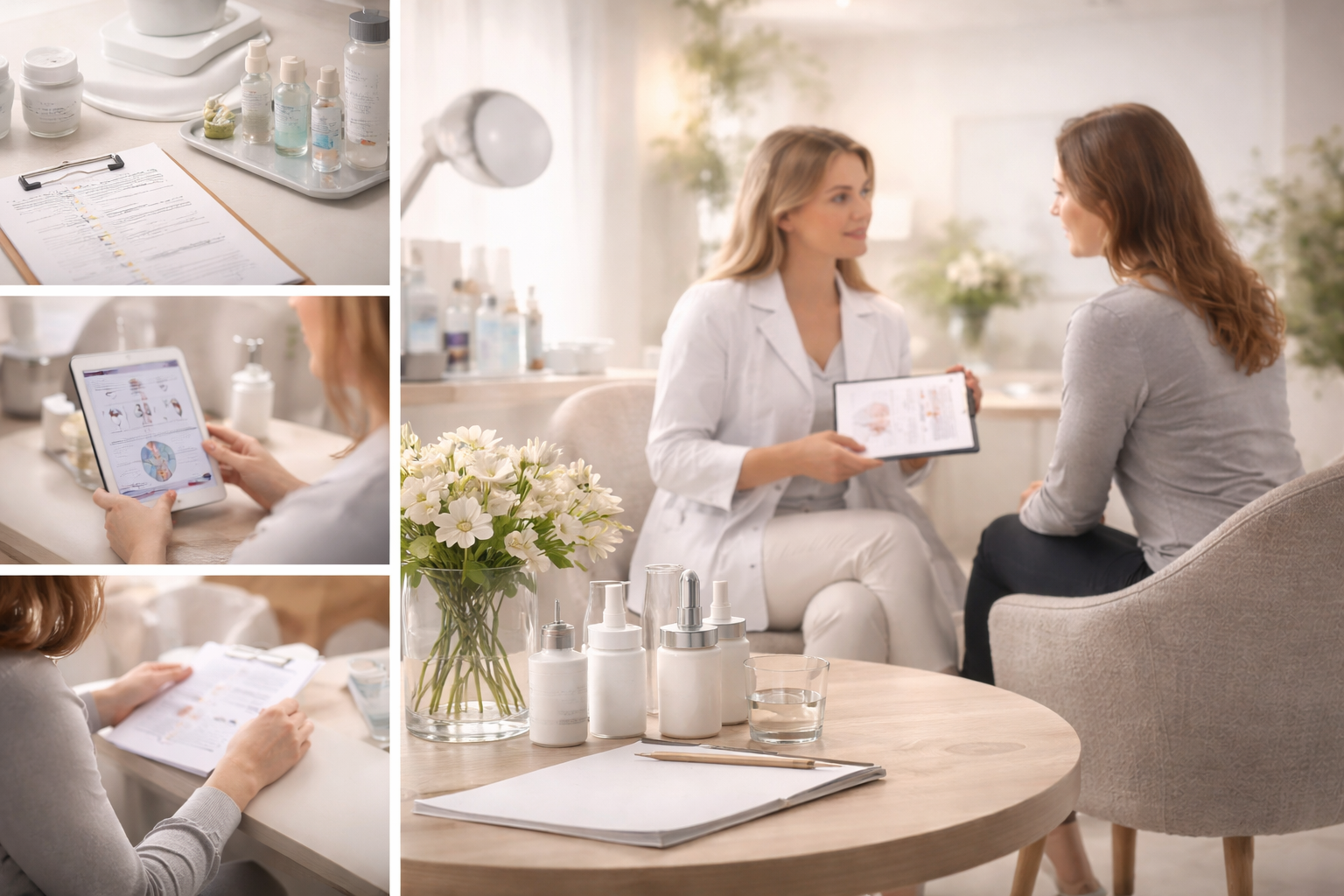
There is a meaningful difference between aesthetic treatments carried out by qualified, experienced professionals and those performed in less regulated environments. That difference is not merely about results — it is fundamentally about safety, appropriateness, and care.
Properly trained practitioners bring far more than technical skill to a treatment. They bring clinical judgement — the ability to assess whether a procedure is right for a particular person at a particular time, and to recognise when the answer should be not yet, or not this one. That kind of honest evaluation is one of the most valuable things a good provider offers.
Professional settings also bring rigorous hygiene standards, proper screening processes, well-maintained equipment, and the kind of follow-up care that ensures anything unexpected is addressed quickly and correctly. They provide written instructions, explain risks clearly, and remain accessible after the appointment is over.
When you choose professional care, you are not simply paying for a procedure. You are investing in a relationship with someone who understands your individual circumstances and is accountable for your wellbeing throughout the process.
Treatments are delivered by trained professionals who understand anatomy, individual variation, and clinical safety standards.
No two people are the same. A professional approach begins with understanding your history, goals, and what is truly appropriate for you.
Professional practice means continued responsibility — access to follow-up, clear guidance, and support if anything unexpected arises.
Understanding what the process actually looks like — from that first moment of curiosity right through to the maintenance phase — can take away a great deal of the uncertainty that often surrounds aesthetic treatments. The journey is typically more measured and collaborative than people expect.
Before any treatment is discussed, a good consultation begins with listening. What are you hoping to address? What concerns do you have? What would a meaningful result actually feel like for you? This conversation sets the foundation for everything that follows. A thorough assessment of your skin, facial structure, medical history, and current medications is part of this stage.
Based on the consultation, a plan is put together that reflects your specific circumstances — not a template applied to everyone. This may involve a single treatment or a graduated sequence of mild interventions over time, each building gently on the last.
Treatments are carried out in a safe, clean, professional environment. Clear instructions for the hours and days that follow are provided both verbally and in writing. You will know what to expect, what is normal, and when to get in touch if anything feels unusual.
After an appropriate recovery period, results are reviewed. This is an important part of the process — it helps ensure outcomes are on track and allows the plan to be refined if needed. Many treatments show gradual improvement over weeks, so patience is part of good practice here.
Results are rarely permanent in the absolute sense. Most aesthetic outcomes require some degree of upkeep — whether that is occasional treatments, adjustments over time, or a strong at-home skincare routine that preserves what has been achieved. A good plan includes realistic guidance about what to expect over the months and years ahead.
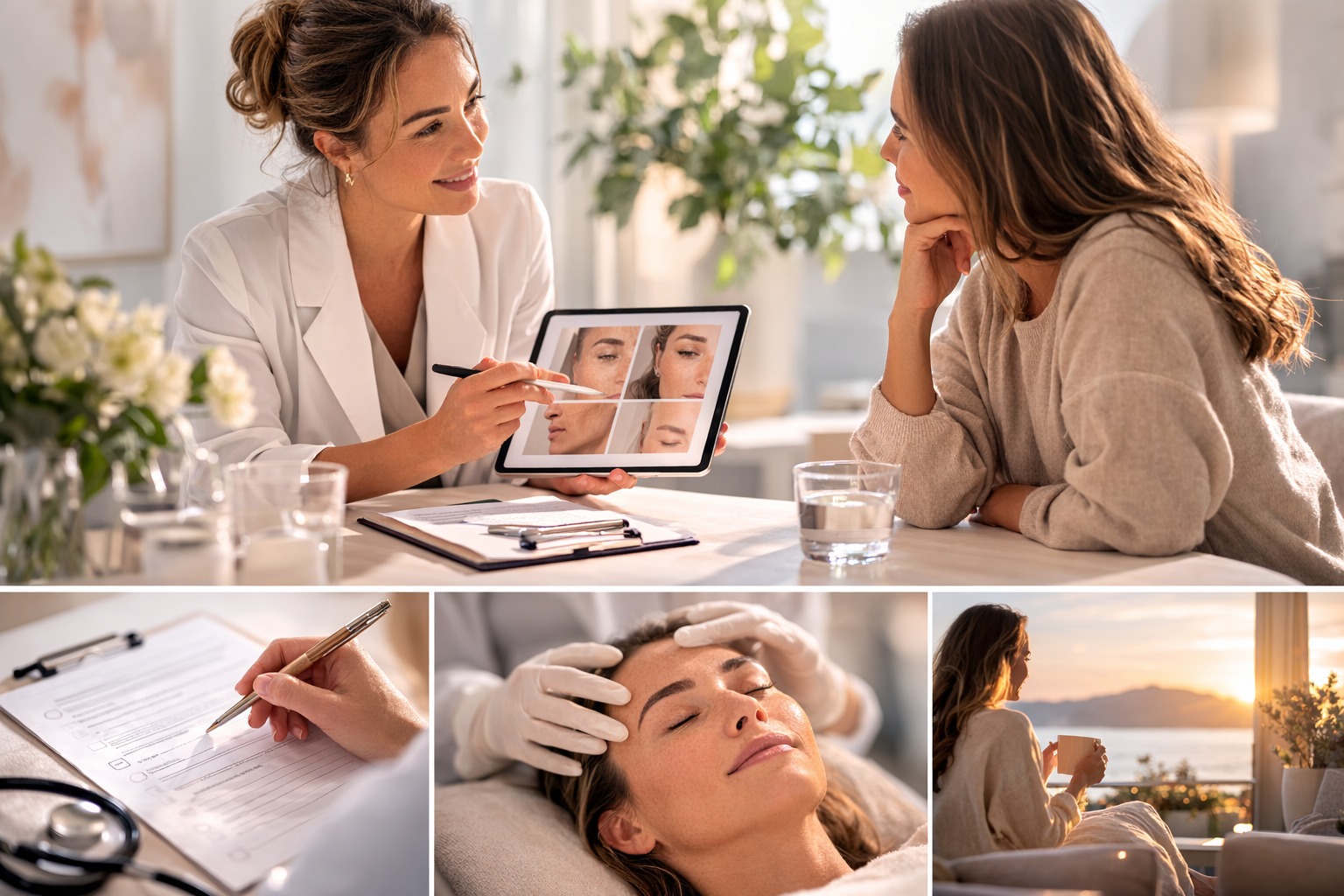
Not every treatment suits every person, and a responsible practice will always be honest about this. Suitability depends on several factors — physical health, skin type, medical history, the specific concern being addressed, and, equally, emotional readiness and realistic expectations.
Good candidates are typically those who are in reasonable general health, are seeking modest and natural-looking enhancement rather than dramatic transformation, understand that results develop gradually and often require maintenance, have discussed their full medical history honestly with their provider, and approach the process with patience and an openness to professional guidance.
Age is rarely a decisive factor on its own. People across a wide range of ages pursue aesthetic treatments for thoughtful, personal reasons — from early preventative skin care through to treatments that restore volume or firmness that has changed with time.
There are times when a particular treatment is not the right choice — and a good practitioner will say so plainly. Contraindications might include certain medical conditions, medications that affect healing, active skin infections, pregnancy, or concerns that would be better addressed through other means.
Emotional readiness also matters. Treatments sought primarily to meet someone else's expectations, or during a period of significant emotional distress, may not lead to the sense of wellbeing people are hoping for. A thoughtful provider will explore this sensitively rather than simply proceeding.
Perhaps the single most important factor in a positive aesthetic experience is having a realistic understanding of what treatments can and cannot achieve. Aesthetic medicine is not about perfection — it is about improvement. The most satisfying outcomes happen when expectations are grounded, goals are clear, and the process is approached as a gradual journey rather than a single event.
People come to aesthetic practice with a wide variety of concerns. Some are straightforward; others are more nuanced. Understanding the nature of the concern is the starting point for knowing what options might be appropriate.
Fine lines, deeper creases, loss of volume in the cheeks or around the mouth, changes to the jawline, and skin laxity around the neck are all natural results of ageing. Collagen production decreases with time, and the structural support beneath the skin gradually shifts. Treatments in this area focus on gentle restoration rather than reversal.
Uneven skin tone, rough texture, enlarged pores, pigmentation irregularities, and dullness are among the most common concerns people bring to an aesthetic consultation. These often have multiple contributing factors — sun exposure, hormonal changes, lifestyle, or simply the natural ageing of the skin.
Pockets of stubborn fat that do not respond to exercise — typically around the lower abdomen, flanks, inner thighs, or under the chin — are a common concern. So too is the laxity that can follow significant weight changes or pregnancy. Body-focused treatments in aesthetics are designed to support and refine rather than substitute for a healthy lifestyle.
Small but persistent marks — age spots, sun damage, skin tags, and similar localised concerns — can cause disproportionate frustration for those affected. Many of these are straightforward to address with targeted treatments and require minimal recovery time.
Pregnancy, significant weight change, illness, and certain medical treatments can all leave visible marks on the body or face. For many people, addressing these changes is less about vanity and more about feeling at home in their body again after a period of significant change.
Some people come to aesthetic practice not with a single defined concern but with a broader sense that they would like to look as well as they feel — or would like their appearance to reflect the energy and engagement they bring to their daily life. This is a valid and common motivation.
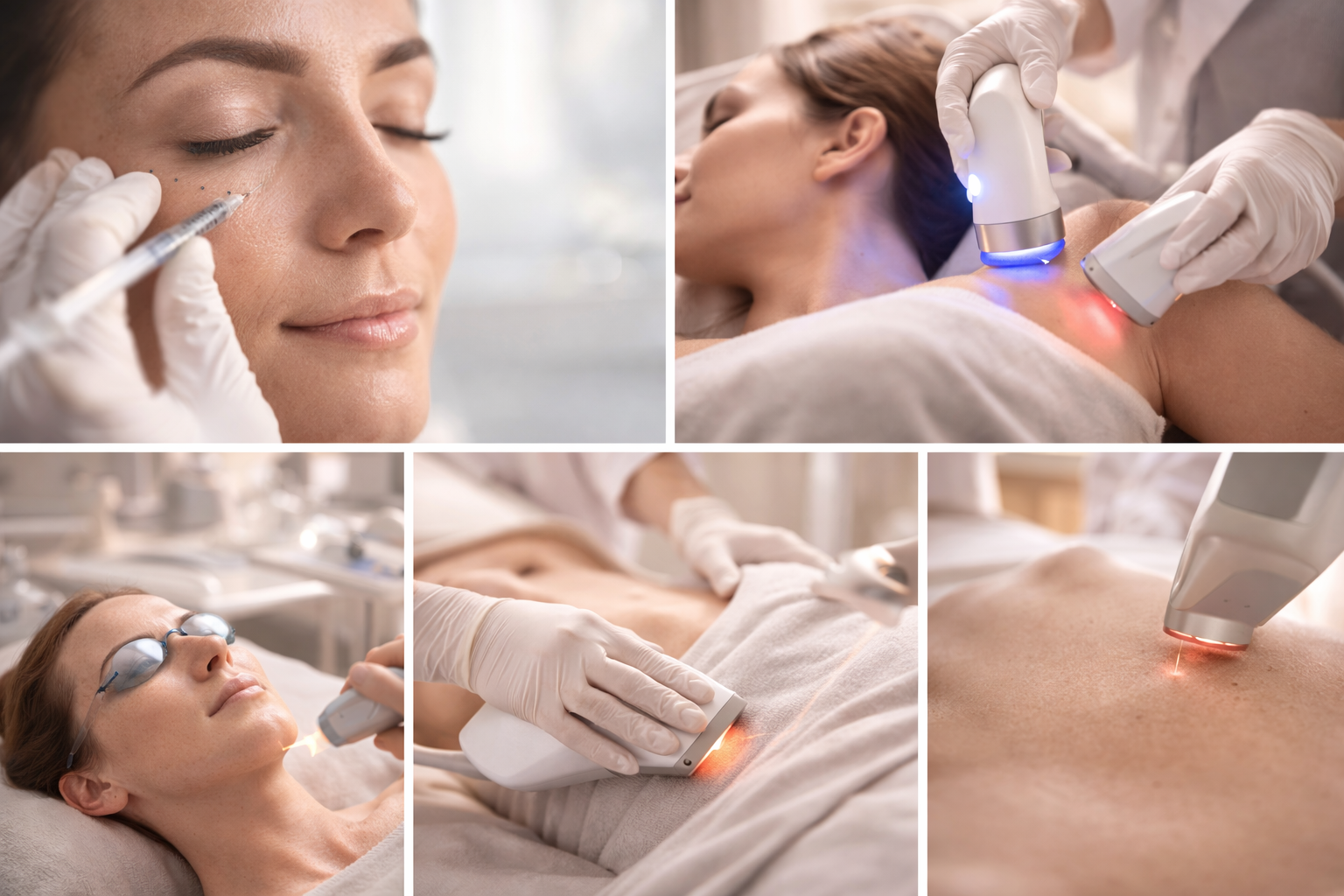
Modern aesthetic medicine has expanded considerably in recent years. Many outcomes that once required surgery can now be approached through less invasive means, with lower risk profiles and shorter recovery periods. Understanding the broad categories of treatment — rather than specific brand names or products — is the most useful starting point.
Small, carefully placed injections can serve several purposes: softening lines of expression, restoring volume that has diminished over time, and subtly reshaping or balancing facial contours. Results tend to develop over days to weeks and, depending on the product used, may last from several months to considerably longer. These are among the most commonly performed aesthetic treatments and, when administered correctly, are designed to be essentially undetectable.
Devices that deliver controlled energy — including ultrasound, radiofrequency, and light-based technologies — are used to stimulate collagen production, tighten skin, and improve overall texture and tone. These treatments work with the body's own repair mechanisms, which means results are typically gradual and cumulative. A series of sessions is often recommended, and improvement continues to develop in the weeks following treatment.
Treatments that gently remove or stimulate the surface layers of the skin can dramatically improve texture, even tone, reduce the appearance of scarring and pigmentation, and leave the complexion noticeably more refined. The depth and intensity of these treatments varies, as does the recovery period — which your practitioner will discuss clearly in advance.
Non-surgical approaches to fat reduction work by disrupting specific fat cells in targeted areas, allowing the body to clear them over time. Separately, treatments designed to address muscle tone or skin laxity — often using energy-based technologies — can support the body in ways that complement exercise and healthy habits. These are not weight-loss treatments; they are refining tools for those already close to their goal.
Many small, localised skin concerns — whether pigmented lesions, vascular markings, or other surface irregularities — can be precisely treated with minimal effect on surrounding tissue. Recovery is typically quick, and results are often immediately visible.
Each of these categories contains a range of specific techniques and technologies. The right choice depends entirely on the individual — their skin type, their concern, their tolerance for downtime, and their broader aesthetic goals. A thorough consultation is always the correct starting point.
One of the most important conversations in any aesthetic consultation is about what is genuinely achievable. Good practitioners are as honest about limitations as they are about possibilities, because unrealistic expectations are one of the primary reasons people feel disappointed with outcomes that are, by any objective measure, genuinely good.
Most aesthetic treatments produce improvements that are meaningful but incremental. The best outcomes tend to look like a more rested, refreshed version of yourself — not a different person. People around you may notice that you look well, without necessarily being able to identify why.
Results vary between individuals. Factors including skin type, age, lifestyle, the specific concern being treated, and how well aftercare guidance is followed all influence the outcome. Some treatments produce visible change within days; others reveal their full results over months as collagen builds and tissue remodels.
Collagen-building treatments — many energy-based and injectable biostimulator procedures — require the most patience. The process is a physiological one, and it cannot be rushed. For these treatments, final results may take three to six months to fully manifest, and a course of sessions is often needed to achieve the desired outcome.
It is also worth noting that most results are not permanent. The skin continues to age, the body continues to change, and treatments generally require maintenance to sustain their effect over time. A realistic long-term plan accounts for this.
The most successful aesthetic outcomes happen when the aim is not to erase every line or eliminate every imperfection — but to look and feel well, to feel confident, and to have your outer appearance reflect how you feel inside. That is an achievable and deeply worthwhile goal.
Safety is not a marketing claim — it is the foundation upon which responsible aesthetic practice is built. Understanding what good standards look like, and knowing what questions to ask, helps you make informed decisions about where and with whom to seek treatment.
These are not exceptional standards — they are the baseline expectations of good practice. Before proceeding with any treatment, you are entirely entitled to ask about the practitioner's background, the environment, the equipment used, and the steps in place should a complication arise. A professional and ethical provider will welcome these questions without hesitation.
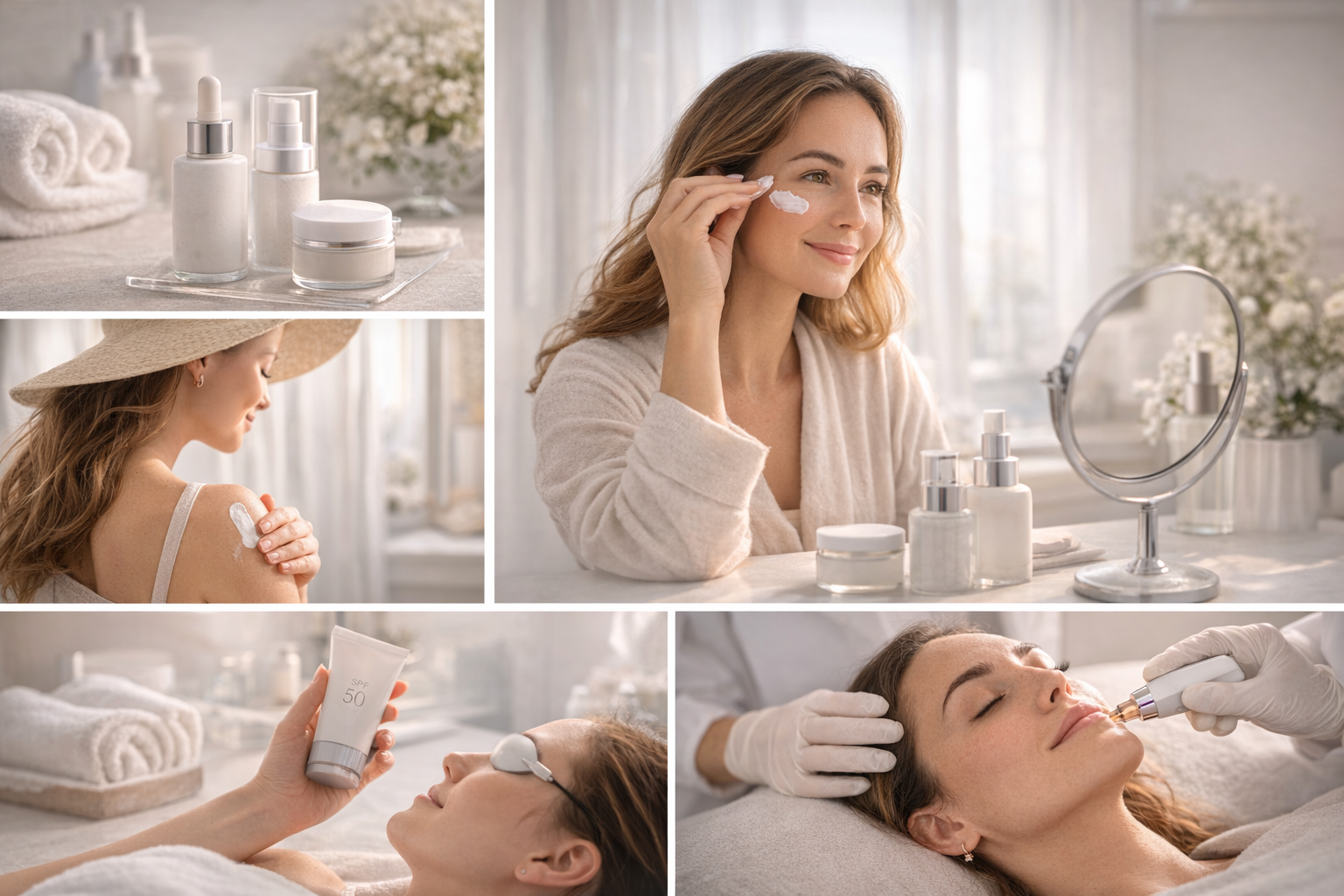
Aftercare is not an addendum to treatment — it is an integral part of the process. How you care for your skin and body in the period following a procedure has a direct impact on both the quality and longevity of the result. A good aftercare plan is tailored, realistic, and clearly communicated.
In the first hours and days after treatment, specific guidance will be provided about what to avoid and what to prioritise. This typically includes advice on skincare products to use and to temporarily avoid, guidance on sun protection, and instructions about activities — such as exercise, swimming, or use of heat — that may need to be paused during the initial healing period.
Mild redness, swelling, or sensitivity is normal following many procedures and is not a cause for concern unless it persists unexpectedly or is accompanied by other symptoms. Written guidance will clearly describe what is within the range of normal and what warrants getting in touch.
For most skin treatments, results are significantly enhanced — and prolonged — by a consistent, appropriate at-home skincare routine. Medical-grade products can make a meaningful difference to outcomes; your practitioner can advise on what is genuinely useful for your skin type and concerns, rather than recommending an elaborate regime that is difficult to sustain.
Daily sun protection is universally relevant. UV exposure is the single largest extrinsic contributor to skin ageing and pigmentation, and consistent use of appropriate sun protection helps preserve the results of almost every aesthetic treatment.
Most people who are happy with their initial results opt to maintain them through periodic follow-up treatments. The frequency and nature of these depends on the treatment type, the individual's age and skin condition, and the pace at which natural changes continue to occur. A well-designed maintenance plan is light-touch and sustainable — not an escalating series of interventions.
The aim, always, is to age gracefully: to feel consistently well in your skin as time passes, with support that evolves alongside you.
These are the questions people most often arrive with — and the honest answers they deserve.
This is one of the most common concerns, and it is completely understandable given some of the imagery that circulates in the media. The honest answer is that, when treatments are chosen and administered thoughtfully, the goal is specifically to avoid any obvious or unnatural appearance. The aim is a rested, balanced version of you — not a different face. The results that tend to attract attention are the results of poor technique or inappropriate treatment selection, not of aesthetic medicine done well.
This varies considerably depending on the treatment type and the individual. Some injectable treatments last between six and eighteen months; collagen-stimulating treatments may produce results that endure for several years with appropriate maintenance. Most results are not permanent in the absolute sense — the body continues to change over time, and some ongoing care is generally needed. Your practitioner will discuss realistic timescales for any specific treatment.
Many of the most popular aesthetic treatments involve minimal to no downtime — mild redness or swelling that resolves within hours or days. Others, particularly more intensive resurfacing procedures, may require a recovery period of a week or more. Your practitioner will explain exactly what to expect before you agree to any treatment, including guidance on timing if you have events or commitments to plan around.
Useful questions include: What are the realistic benefits and risks of this treatment for me specifically? How many sessions are likely to be needed? What does recovery look like day by day? What are the alternatives, and why is this the recommended option? What does good aftercare involve? What should I do if I have a concern after treatment? There are no foolish questions in this context — a professional should be glad to answer all of them.
This is worth discussing openly before proceeding. Good practitioners will explain what options exist if an outcome is not what was hoped for — whether that involves a review appointment, an adjustment, or simply time for results to settle and mature. Some treatments are reversible; others are not. Understanding this in advance helps set appropriate expectations.
Suitability is assessed during the consultation process and takes into account your medical history, current medications, the specific concern you want to address, and your general health. Not every treatment suits every person, and a responsible practitioner will always say so honestly if a particular procedure is not appropriate for your circumstances.
Not necessarily in the sense of escalating treatment — but some maintenance is generally part of sustaining results over time. This is usually light-touch and can be planned around your lifestyle and preferences. Many people find that, once they have reached a baseline they are happy with, maintaining it requires less intervention than the initial course of treatment.
Results are individual, and experiences vary. What follows are honest reflections from people who have undergone aesthetic treatments — shared to give you a sense of what the process feels like from the inside, beyond any clinical description.
"I was nervous before my first appointment — more than I expected to be. But the consultation was genuinely calm and informative. I didn't feel pressured into anything, and the results over the following weeks were subtle in exactly the way I had hoped. People keep telling me I look well. I know what it is; they do not. That feels right."
"I had spent years feeling self-conscious about a particular area of my face. I did a lot of research before committing, and I am glad I was cautious. The process was gradual — three sessions over four months — and the difference is meaningful. Not dramatic. Just better."
"What I appreciated most was the honesty. I came in with a clear idea of what I wanted, and some of it was adjusted — gently, with reasons. The treatment we landed on was different from what I originally imagined, and the outcome was better for it. I felt listened to throughout."
The philosophy underlying this practice is straightforward: every person who walks through the door deserves to be treated as an individual, to be spoken to honestly, and to be supported throughout their entire experience — not just during the treatment itself.
This means taking the time to understand not just what someone wants, but why they want it — because motivation matters when designing a treatment plan. It means being genuinely candid about what is achievable, and about what may not be. It means sequencing treatments thoughtfully rather than doing everything at once, and supporting home care in ways that genuinely sustain results rather than creating dependency on repeated interventions.
It also means recognising that the most technically accomplished treatment is only as good as the relationship in which it takes place. When patients feel informed, respected, and supported, they are better placed to make good decisions, to follow aftercare advice, and to achieve outcomes that genuinely improve their sense of wellbeing.
Every plan begins with listening. Understanding what you are hoping for, what you are anxious about, and what a meaningful result would actually feel like for you is the only honest starting point. From there, a considered assessment of your skin, facial structure, body, and medical history guides what is safe and what is appropriate. Treatments are introduced gradually — building on each other over time — rather than attempting everything at once. Maintenance is planned from the outset, with simple, sustainable guidance for home care that preserves results without overwhelming daily life.
The outcome of this approach, at its best, is a kind of quiet transformation: the sort that leaves people saying that you look well, without quite being able to say why.
If you are considering moving forward with an aesthetic treatment, there is no rush and no obligation. The decision should feel clear and comfortable, made at a pace that suits you. Here are some practical things to consider as you think it through.
Take time to gather information about the treatment or treatments you are considering. Understanding what is involved — including the realistic range of outcomes and any relevant risks — is an important part of giving informed consent.
Think about any significant events or commitments coming up. Some treatments involve a short recovery period; others are essentially without downtime. Planning treatment away from important social or professional occasions is sensible where downtime is expected.
Make a note of any questions you want to ask. Bring a list of current medications and supplements, note any allergies or previous reactions to treatments, and be prepared to share relevant medical history honestly. The more complete the picture, the better the advice you will receive.
No question is too basic or too detailed. Ask about qualifications, about the specific treatment being proposed, about what happens if the result is not as expected, and about what aftercare involves. Clear answers to these questions are a sign of professional practice; evasiveness is a reason for caution.
You are allowed to take your time. You are allowed to change your mind. And you are always entitled to seek a second opinion. A practice that is confident in the quality of its work will encourage rather than resist this kind of careful deliberation.
Aesthetic medicine, at its best, is about supporting you in feeling comfortable and confident in your own skin. It is not about chasing an ideal, meeting someone else's expectations, or solving a problem that does not actually exist. The most meaningful results come from a clear sense of your own values and a process that moves at your pace.
If something has been bothering you for a long time — something that affects how freely you move through the world, how you appear in photographs, or how easily you feel at ease in social situations — then taking the time to explore your options is a reasonable and worthwhile thing to do. You do not need to justify that decision to anyone.
Equally, if you explore the options and decide that treatment is not the right path for you at this time — or ever — that is just as valid. A good aesthetic practice respects the decision not to proceed as much as it welcomes the decision to move forward.
What matters most is that the choice is yours, made with good information and from a place of clarity rather than pressure. This page has tried to give you the grounded, honest foundation for that. Whatever comes next, approach it gently and with care for yourself.